
26 August 2026
A new clinical study by the Malaghan Institute's Mules Laboratory will explore the underlying triggers of perianal Crohn's disease with the aim of finding better treatment options.

The Mules Research Group
Led by Dr Tom Mules, Malaghan Institute and Health New Zealand | Te Whatu Ora – Capital, Coast and Hutt Valley, in collaboration with Professor Michael Schultz, University of Otago and Health New Zealand | Te Whatu Ora – Southern, the research focuses on this severe form of the condition, which affects around 1 in 5 people with Crohn's disease.
“Our goal is to identify specific bacteria and immune pathways that new therapies can target,” says Dr Mules.
Crohn’s disease is an inflammatory bowel disease (IBD) that causes life-long inflammation in the gut. The prevalence of IBD is increasing at a dramatic rate worldwide, on track to affect up to one percent of the population by 2045, according to Dr Mules. While the exact cause is not fully understood, it is likely a result of an imbalance or ‘disharmony’ in the gut, with the microbiome and environmental factors driving inappropriate activation of the gut immune system in genetically susceptible individuals.
IBD is also highly heterogeneous – with a wide range of symptoms and disease progression within a population – further complicating treatment options for patients.
To better understand the origins and diversity behind IBD, particularly Crohn’s disease, the Mules Lab is running a clinical study to analyse the microbiome (the bacteria colonising the gut), metabolome (by-products of the microbiome), and immune system in patients with this severe form of Crohn’s disease. The lab will also examine important patient factors, including the impact that this condition has on an individual’s quality of life.
Approximately one in four patients with Crohn’s disease will develop peri-anal fistulising disease, a painful and debilitating complication where tracts form between the intestine and skin, that is often resistant to conventional therapies. By comparing immune and microbiome profiles between patients with or without this subtype, and with people without IBD, Dr Mules hopes to uncover immunological clues that may lead to new and better treatments.
“We believe that studying the profiles found in patients with the most severe disease subtypes provides the best opportunity to understand the root causes behind the dramatic rise in IBD worldwide and to develop new approaches to prevention and treatment.”
The study will collect samples from individuals with IBD and perianal Crohn's disease across Dunedin and the greater Wellington region. Potential participants with Crohn’s disease can be referred to the study by their specialist.
The team are also seeking volunteers without IBD or other gut-related diseases living in the greater Wellington or Dunedin areas, aged between 18 and 80 years old, who are willing to provide stool and blood samples to analyse the microbiome and immune cells.
If you would like more details about the study, please email [email protected].
Support our life-saving research.
Donate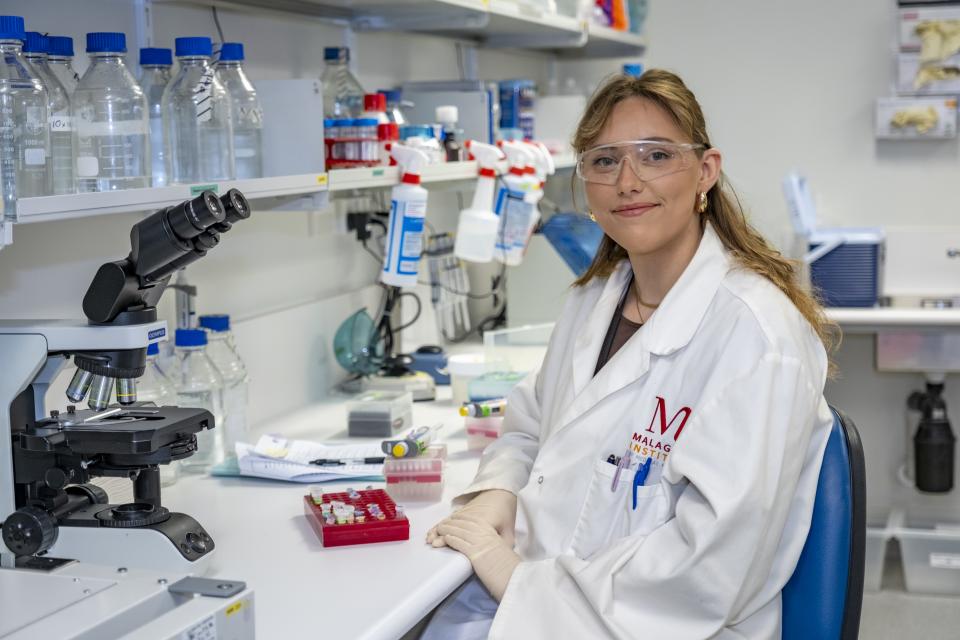
Related articles

Malaghan visiting researcher: Dr Lauren Holz
28 July 2026

Malaghan Institute to collaborate with IARC/WHO to reduce global burden of stomach cancer
24 July 2026

Reading a tumour’s fingerprint for personalised immunotherapies
22 July 2026

The changing face of allergy treatment
24 June 2026

Breakthrough Malaghan and University of Auckland cancer research advances into new biotech venture
16 June 2026

The evolution of one of humanity's oldest immunotherapies
27 May 2026