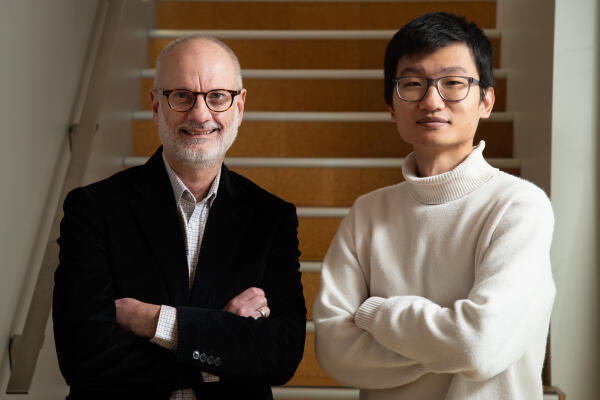
Kelvin Keh of Unruly Partners says Stave was founded on both the scale of the unmet need and the strength of the team:
“Unruly is an early-stage venture builder. We partner with researchers to solve areas of significant needs. Two themes gave us high conviction to establish Stave.
First, the gap is enormous: 70–85% of cancer patients either never respond to immunotherapy or stop responding. Taking a treatment that works brilliantly for some and making it work for many, is the kind of mission worth building a company around. Stave is taking on the biology that's standing in the way.
Second, Adam, Jeff and Ian have done the hardest part of drug development multiple times before, taking research out of the lab and into cancer patients. That kind of execution track record is rare in early-stage oncology, and it's what makes this opportunity so compelling.”
He adds that the science stands out globally:
“The cancer drug landscape is shifting fast. The first generation of checkpoint inhibitors is heading toward patent expiry, and a significant share of industry pipelines are still piling into the same handful of mechanisms; turning up the dial on systemic immune stimulation. That approach has not cracked the core problem. The tumour itself actively shuts down the immune response these drugs depend on.
Stave's approach is fundamentally different. Instead of turning the immune system up everywhere, Stave’s approach is about switching it on precisely where it’s needed, inside the tumour, using biological features intrinsic to most solid cancers.
The feedback from international experts has been that this is one of the most scientifically grounded and differentiated approaches in the field.”
Starting with lung cancer
Stave Therapeutics will initially focus on lung cancer, where immune checkpoint inhibitors show some effectiveness but leave significant room for improvement.
The choice reflects both clinical opportunity and equity considerations. Lung cancer is the leading cause of cancer death in New Zealand, with disproportionately high impacts on Māori and communities experiencing socioeconomic deprivation.
A successful therapy in this area could make a meaningful contribution to addressing these inequities.
A platform with global potential
While lung cancer is the starting point, the potential reach is much broader. Immune checkpoint inhibitors are used across a wide range of cancers, including melanoma, breast, renal, and liver cancers, creating significant opportunity for expansion.
The market for patients whose cancers are resistant to immune checkpoint inhibitors is estimated to be worth tens of billions of dollars globally.
Collaboration driving impact
UniServices is delighted to support the enablement of this new venture, working in close partnership with researchers and investors to take discovery from the lab toward commercial reality.
Beyond the science, the story is one of sustained collaboration.
“This work represents decades of combined experience in immunotherapy and targeted therapeutics,” says Associate Professor Jeff Smaill. “Our ultimate goal is to see these discoveries make a meaningful difference for patients.”